Permitting and regulation
How local approvals, compliance requirements, and trade policy affect day-to-day operations and expansion.
Manufacturing · Forge / Research series
Running a small manufacturing business means making decisions every day about people, equipment, customers, and costs. The owners and operators making those decisions have knowledge that should inform the policies affecting their work.
This series brings their experience to a wider audience through business profiles, commentary, and research. Our focus is manufacturers with 50 or fewer employees and what they need to compete, invest, and grow.
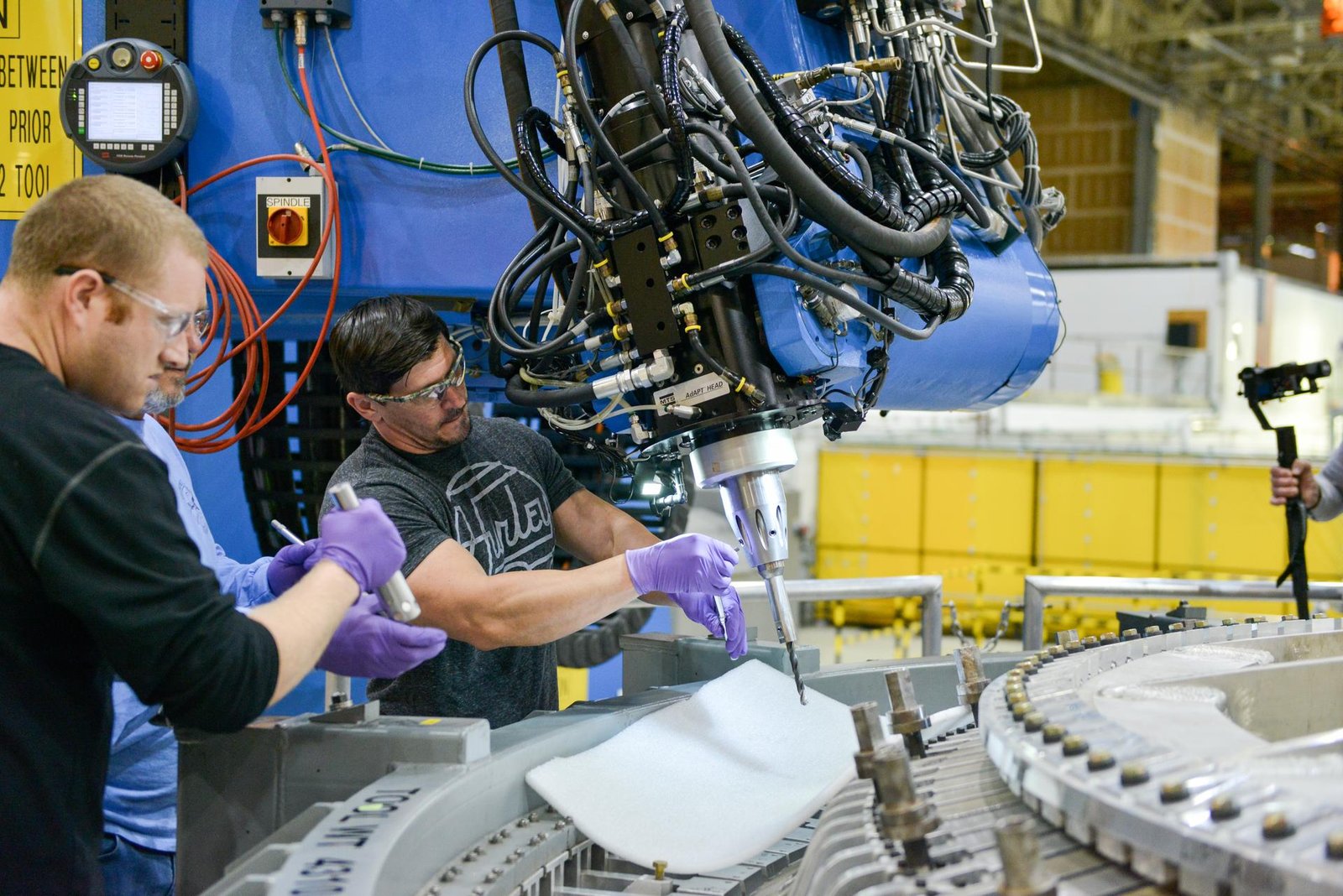
The purpose
A small shop may supply parts to a much larger company while having far fewer resources to navigate permitting, train workers, or finance new equipment. Decisions made by customers, lenders, and government can have a direct effect on whether that shop can expand.
We want to hear how those decisions play out in practice: what is working, what is holding businesses back, and what could help. These accounts will guide further research and give policymakers a clearer understanding of the businesses their decisions affect.
What the series covers
How local approvals, compliance requirements, and trade policy affect day-to-day operations and expansion.
Recruiting, training, retaining skilled employees, and passing on the knowledge needed to produce.
Financing machinery, managing cash flow, and deciding when an investment makes sense.
Payment terms, procurement requirements, qualification, and access to larger supply chains.
Practical experience with automation, software, AI, and improvements on the shop floor.
Preparing for succession, transferring a business, and preserving productive capacity and skills.
From the series
The series is now open for contributions. You will find the first articles and business profiles here as they are published.
Take part
Tell us what your company makes and what it takes to keep it running. Share a challenge, a success, or a lesson others could learn from. We may follow up for an interview or business profile; you do not need to write an article.
Share your businessHave an argument or research to share? We welcome pitches from owners, machinists, production managers, suppliers, and researchers. Focus on a specific issue, support your claims, and explain what could improve.
Submit a writer pitchContributor guidelines
Send a 150–300 word pitch through Write for Us. We respond to pitches we want to pursue and confirm publication arrangements before publication. Read the Editorial & Submission Policy.
Participation does not require membership or sponsorship. Submissions are reviewed independently; submission does not guarantee publication.